Miss the twitch of an ear at 900 yards, and you may miss the entire story.
For professional safari guides and serious wildlife enthusiasts, long-range binoculars are not luxury gear-they are decision-making tools for tracking movement, reading behavior, and keeping guests safely informed.
The best safari binoculars must reach far without flattening detail, stay bright at dawn and dusk, resist dust and impact, and remain steady enough for hours in the field.
This guide focuses on optics that perform where it matters most: open savanna, riverine woodland, heat shimmer, low light, and the unforgiving pace of real safari work.
What Defines the Best Long-Range Binoculars for Safari Viewing?
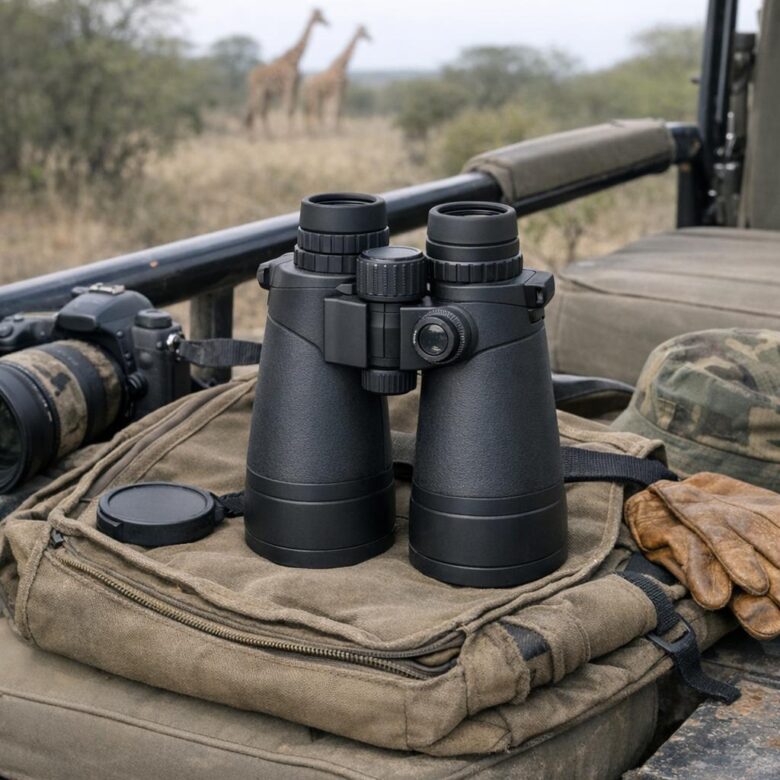
The best long-range binoculars for safari viewing are not simply the highest magnification models. In real field use, professional safari guides often prefer 10×42 or 12×50 binoculars because they balance reach, brightness, stability, and comfort during long game drives.
Magnification matters, but optical quality matters more. Premium safari binoculars with ED glass, phase-coated prisms, and high light transmission help you identify a leopard resting in an acacia tree at dusk, when cheaper optics usually lose contrast and detail.
- Magnification: 10x is easier to hold steady; 12x offers more reach but benefits from a vehicle rest or monopod.
- Objective lens size: 42mm is versatile, while 50mm improves low-light viewing at sunrise and sunset.
- Durability: Waterproof, fog-proof, rubber-armored binoculars are worth the cost in dusty, humid safari conditions.
A practical example: when scanning open plains in the Serengeti, a guide using Swarovski Optik or ZEISS binoculars can often separate a distant cheetah from a termite mound faster because edge sharpness and color fidelity reduce guesswork. That difference is not about luxury; it saves time and improves the guest experience.
For enthusiasts comparing binocular price, warranty, and performance, also consider weight and eye relief, especially if you wear glasses. Image stabilization binoculars can be useful from a moving vehicle, but many safari professionals still choose traditional roof-prism designs because they are lighter, tougher, and easier to service in remote locations.
How Professional Safari Guides Evaluate Magnification, Lens Quality, and Low-Light Performance
Professional safari guides rarely choose the highest magnification first. In a moving Land Cruiser, 10x binoculars often deliver more usable detail than 12x or 15x models because they are easier to stabilize, faster to focus, and less tiring during full-day game drives. For open plains in Kenya or Tanzania, many guides prefer premium 10×42 binoculars; for fixed viewpoints or birding hides, 12×50 can make sense if paired with a monopod or vehicle window mount.
Lens quality matters more than the number printed on the body. Guides look for ED glass, fully multi-coated lenses, phase-corrected roof prisms, and strong edge-to-edge sharpness because these features reduce glare, color fringing, and eye strain. A practical test is to scan a backlit acacia tree at sunrise; cheaper optics often show purple fringing around branches, while high-end safari binoculars from brands like Swarovski Optik, Zeiss, Leica, and Vortex hold cleaner contrast.
- Magnification: 8x for dense bush, 10x for general safari use, 12x+ for long-range viewing with support.
- Objective lens: 42mm balances brightness and weight; 50mm improves twilight performance but costs more in size.
- Low-light test: compare shadow detail at dawn, not under bright shop lighting.
Low-light performance is critical because predators are most active early and late. A guide evaluating professional binoculars will check exit pupil, coating quality, focus speed, waterproofing, and warranty service-not just the price tag. The real benefit is simple: spotting a leopard before the vehicle passes the drainage line.
Common Long-Range Binocular Mistakes to Avoid on Safari Drives and Walking Safaris
One of the biggest mistakes is buying too much magnification. A 12x or 15x binocular may look attractive for long-distance wildlife viewing, but on a moving game drive vehicle it can be hard to stabilize, especially when tracking leopard in shade or birds on a distant termite mound.
For most safari guides and serious enthusiasts, premium 8×42 or 10×42 binoculars often deliver a better balance of field of view, low-light performance, and image stability. If you need extra reach, pair your binoculars with a compact rangefinder or a spotting scope instead of sacrificing usability.
- Ignoring eye relief: Glasses wearers should check this carefully before purchase, especially with high-end safari binoculars.
- Skipping lens protection: Dust, sunscreen, and vehicle grit can damage coatings; use a proper lens pen and microfiber cloth.
- Choosing cheap optics for professional use: Low-cost binoculars may fog, lose sharpness at the edges, or fail after repeated rough travel.
Another common error is not adjusting the diopter before the drive. I’ve seen guests blame expensive binoculars for “soft focus” when one barrel simply wasn’t calibrated to their eyesight. Set it once in camp, then recheck if someone else has handled your optics.
On walking safaris, avoid dangling binoculars from a loose neck strap. A secure harness, such as the Swarovski Optik harness system, keeps optics quiet, protected, and ready without swinging into your rifle, camera, or water bottle. Small details matter when you’re close to elephant, buffalo, or skittish antelope.
Key Takeaways & Next Steps
Choosing the best long-range binoculars for safari guiding comes down to matching optical power with real field conditions. Prioritize sharp glass, dependable stabilization, weather resistance, and a comfortable grip over extreme magnification alone.
- For professionals: invest in premium optics that perform reliably at dawn, dusk, and across heat shimmer.
- For enthusiasts: choose a balanced model that is powerful yet easy to carry and steady in the hand.
The right binoculars should help you identify wildlife faster, read behavior more clearly, and stay confident when every distant detail matters.