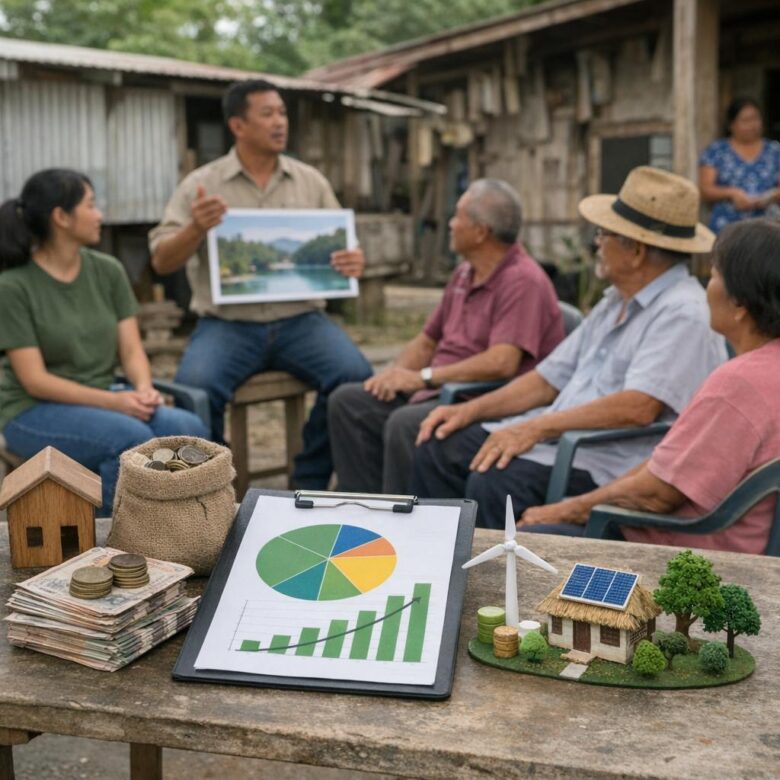
What if tourism’s biggest profit isn’t measured in visitor numbers, but in how much value stays behind?
Sustainable tourism is reshaping how destinations think about growth, shifting attention from short-term spending to long-term community resilience.
For local economies, its impact reaches beyond hotels and attractions: it can influence jobs, small businesses, cultural preservation, infrastructure, and the cost of living.
Understanding these effects is essential for communities that want tourism to generate income without eroding the places, people, and traditions that make a destination worth visiting.
What Sustainable Tourism Means for Local Economies and Community Well-Being
Sustainable tourism is not just about protecting beaches, forests, or heritage sites. For local economies, it means keeping more visitor spending inside the community through local hotels, licensed guides, restaurants, transport services, farms, and craft businesses. When done well, it turns tourism revenue into stable jobs, better public services, and stronger small business growth.
A practical example is a community-run eco-lodge that buys food from nearby farmers, hires local guides, and promotes tours through platforms like Google Business Profile. The cost of training staff, improving waste management, or installing energy-efficient devices may be higher at first, but the long-term benefits often include lower utility bills, better guest reviews, and stronger repeat bookings.
For communities, the real value comes from managing tourism like a local investment portfolio, not a quick cash opportunity. Useful actions include:
- Using booking and payment tools to track visitor demand, revenue, and seasonal cash flow.
- Creating local supplier agreements so hotels and tour operators buy more goods and services nearby.
- Setting clear visitor limits for sensitive areas to reduce repair costs and protect community assets.
From what many destinations experience, the biggest challenge is leakage: money leaving the area through outside-owned resorts, imported products, or poorly managed tour packages. Sustainable tourism reduces that leakage by supporting local ownership, fair wages, skills training, and responsible business planning. That is where community well-being improves-not only through income, but through pride, cultural protection, and more control over how tourism develops.
How to Measure the Economic Benefits of Sustainable Tourism in Local Communities
Measuring the economic benefits of sustainable tourism starts with tracking where visitor money actually goes. Local councils, tourism boards, and small business associations should separate revenue earned by locally owned hotels, tour operators, restaurants, markets, transport providers, and cultural experiences from spending captured by outside companies.
A practical approach is to combine visitor spending surveys with business sales data, employment records, and tax receipts. Tools such as Google Analytics, booking platforms, point-of-sale systems, and destination management software can help identify which campaigns, attractions, or eco-tourism packages bring higher-value visitors.
- Local income: Track average visitor spend on local accommodation, food, guides, crafts, and transport.
- Job creation: Measure full-time, seasonal, and indirect employment linked to tourism services.
- Leakage rate: Estimate how much tourism revenue leaves the community through foreign-owned hotels, imported goods, or external agencies.
For example, a coastal village promoting community-led snorkeling tours can compare tour bookings, guide wages, restaurant sales, and conservation fee income before and after launching the program. If more money reaches local boat owners, guides, and family-run cafés, the tourism model is delivering stronger community value.
One useful real-world insight: revenue alone can be misleading. A destination may attract more tourists but still see limited local benefits if visitors book all-inclusive packages through external operators. That is why sustainable tourism measurement should include cost, profit retention, local procurement, and quality of employment-not just arrival numbers.
Common Economic Risks of Sustainable Tourism and How Communities Can Prevent Leakage
Even well-managed sustainable tourism can lose economic value when visitor spending flows to outside-owned hotels, international tour operators, imported food suppliers, or foreign booking platforms. This is called economic leakage, and it often appears in hidden places such as franchise fees, payment processing costs, outsourced marketing services, and non-local construction contracts.
A practical example is a coastal village where tourists pay premium prices for “local” seafood dinners, but the resort imports most ingredients through a national distributor. The community gets low-wage jobs, while the higher profit margin leaves the area. Local procurement policies can fix this by requiring hotels and restaurants to buy a set share of food, transport, cleaning services, and maintenance from nearby businesses.
- Use local supplier contracts: create approved vendor lists for farmers, guides, repair services, and transport providers.
- Track spending with tools: platforms like QuickBooks or Xero can help cooperatives monitor revenue, expenses, taxes, and supplier payments.
- Reduce booking leakage: encourage direct reservations through local websites, community booking systems, or destination management software.
Communities should also watch for seasonal dependency, rising land costs, and tourism jobs that offer unstable income without benefits. In practice, I have seen small destinations protect more value by training residents in accounting, digital marketing, hospitality management, and online payment systems, rather than only promoting more arrivals. More tourists do not always mean more local income.
The strongest prevention strategy is ownership: local guesthouses, guide cooperatives, food producers, and transport businesses keep profits circulating. When combined with transparent pricing, fair contracts, and regular financial reporting, sustainable tourism becomes less vulnerable to leakage and more useful for long-term community development.
Summary of Recommendations
Sustainable tourism delivers its strongest economic value when local communities remain active decision-makers, not just service providers. The practical takeaway is clear: prioritize models that keep revenue local, protect cultural and natural assets, and create stable jobs beyond peak seasons. For policymakers, investors, and tourism operators, the best decisions are those measured not only by visitor numbers, but by long-term community resilience. When tourism growth strengthens local ownership, fair income distribution, and environmental stewardship, it becomes a durable economic strategy rather than a short-term market opportunity.